
We know why you are here: you wish to understand Chicken Road’s autoplay restrictions and options in the UK without sifting through vague assurances. The first thing to get straight is that Chicken Road is a single crash-style game, not a casino, and it is often listed in slot areas because of its fast, multiplier-led mechanics. In the UK, true autoplay on slots is not available, so the settings you will actually utilize are auto-cash-out, stake adjustments and session features. In this guide we detail how the game operates, what the limits signify, and how to configure sensible parameters before you begin a round. We focus the attention on the game itself, not on site-wide add-ons.
The way Chicken Road Plays: Theme, Road Map and Cash-Out Choices
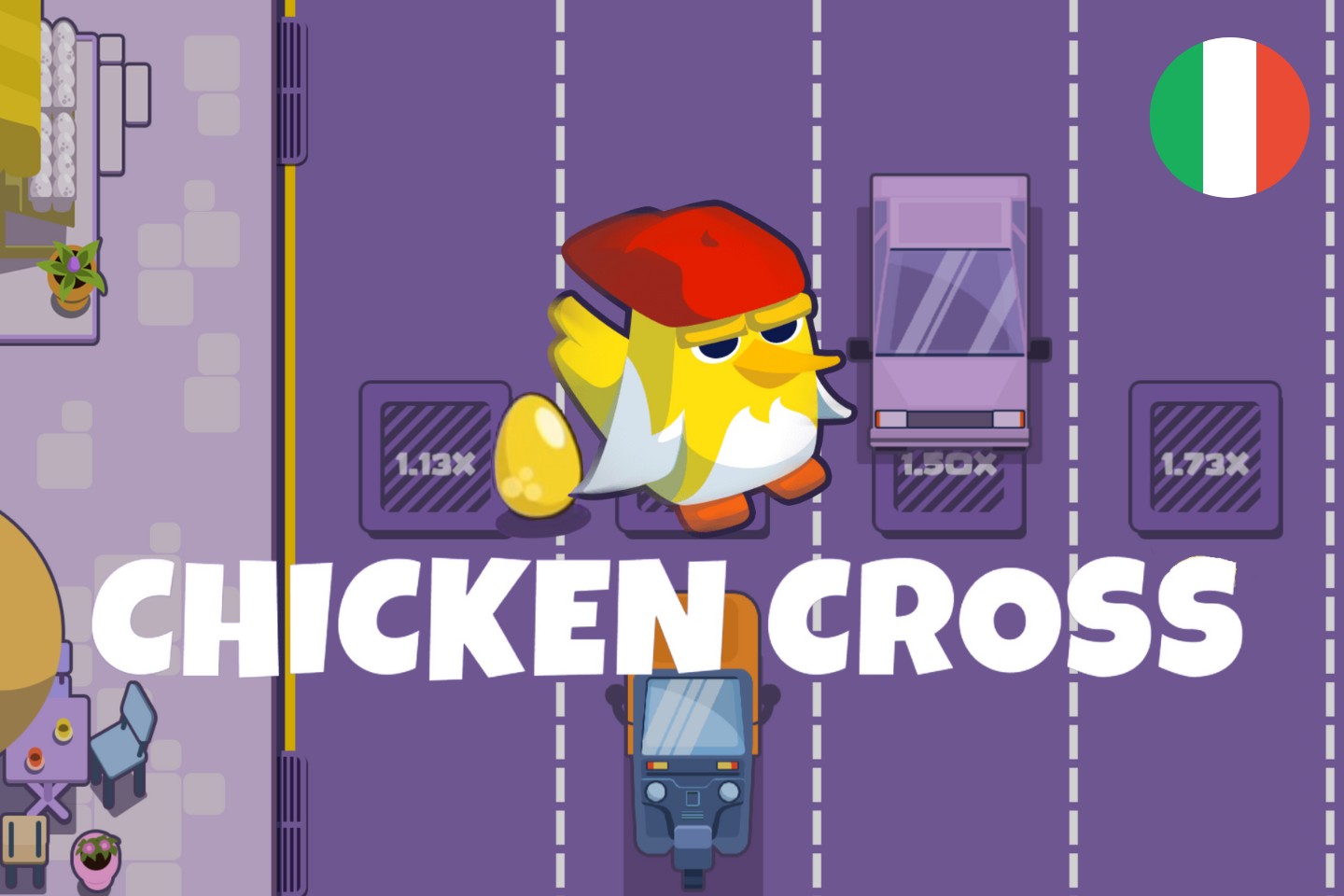
We start a round by selecting a stake and clicking the play button. The chicken then advances lane by lane across the road, and the multiplier rises with each safe step. Cars emerge as hazards, and if one hits the chicken before you cash out, the round stops and the stake is gone. Your main choice is when to grab the money: cash out early for a smaller multiplier or wait for a bigger one with more risk. The road map is straightforward to read, but the timing is where the tension resides. The faster the chicken moves, the more tempting it is to hold on, so we set our target before the round begins.
Chicken Road does not utilize reels, rows or paylines in the conventional slot sense https://chickensroad.uk.com/. There are no wilds, scatters or free spins to trigger, and no payline combinations to learn. The “ways to win” are basic: cash out before the crash and claim your stake multiplied by the current multiplier. The multiplier ladder is the core mechanic, and auto-cash-out is a control that can secure a target. We prefer to see it as a game of nerve and planning rather than a spinning-reel feature set.
Návratnost hráčům, Kolísavost and Win Potential in Chicken Road
We cannot quote a single RTP for every edition of Chicken Road, since the figure can change by game release and by the website where it is hosted. Crash-style games typically range in the mid-to-high 90s, but you should review the in-game info panel for the specific return-to-player and rules. Volatility is generally high: many rounds finish before a big multiplier, while periodic runs go far. That behavior indicates bankroll fluctuations are common, so a smaller stake and a clear cash-out goal can help you keep in control.
The win potential is limited, and the cap is typically listed in the game rules. We do not invent a headline maximum win value here as the exact cap can be different between versions. What matters is that the multiplier scale can increase rapidly, but the maximum payout is capped by the game’s cap. There are no free spins, wilds or scatters in the typical slot sense; the bonus-style excitement comes from the growing multiplier and the auto-cash-out selection. Always read the guidelines before establishing a lofty target. If you are contrasting variants, check the rules tab instead of depending on a third-party description.
How to Play Chicken Road Responsibly with Auto-Play Settings
We start by accessing the game information and checking the RTP, volatility, bet range and maximum win cap. Then we select a stake that fits our budget and choose an auto-cash-out target that suits our risk appetite. A low target, such as 1.2x to 1.5x, cashes out more often but for smaller amounts; a high target, such as 5x or more, is rarer and more volatile. After that, we initiate each round manually, observe the multiplier and enable the auto-cash-out do its job if the target is reached.
We also define a stop-loss and a time limit before the first round. If the session reaches the loss limit, we stop; if the timer alerts, we step away. We avoid trying to recover a crash by raising the stake or changing the target mid-round. Another common mistake is assuming that auto-cash-out is autoplay: it is not, and you still choose when to start each round. Finally, we check the rules for the exact maximum win and any version-specific features, because those details can alter the way the game feels. We assess the session afterwards and adjust the stake or target only after a break, never in the heat of a losing run.
Stake Range, Automatic Cash-Out and Session Controls
The stake range is based on the edition and the website, so we always verify the wager panel before playing. You might see a minimum wager of a few pence and a maximum that is greater, but the exact figures are not standard. UK bet limits and platform-level controls can also impact what is available. Select a stake that makes a loss streak manageable, because high volatility can create several rapid losses. The top win limit is separate from the maximum stake, so review both values in the game instructions.
Automatic cash-out settings usually let you to choose a multiplier goal and confirm it before the round begins. If the chicken hits that multiplier, the game pays out; if it crashes earlier, the stake is lost. Some versions may let you to adjust the goal during the round, but we do not rely on that. Session management are equally important: use reality checks, establish a time cap and choose a loss limit before you begin. These tools support the same aim as autoplay-like settings: maintaining the pace controlled. A written approach on paper or in a note app can assist you adhere to the target when the multiplier value begins climbing.
Autoplay Limits in the UK: What Is Allowed and What Is Not
In the UK, genuine autoplay is not permitted on online slots. If Chicken Road is available as a slot or slot-like game on a UK-licensed site, we require you to start each round manually. That means no “set 50 spins and forget” setting. The controls you are probably to see are stake selection, auto-cash-out and game information. If a screen shows up to suggest repeated automatic rounds, examine the rules carefully; it may be a demo, a distinct game or a feature that is not permitted in the UK. We also check whether the game is in demo mode, because demo controls can vary from real-money play.
Auto-cash-out is the option that most players mean when they ask about Chicken Road autoplay limits. You choose a target multiplier, such as 1.5x or 2x, and the game cashes out automatically if the chicken hits that point. The available range can differ, so check the slider or input box for the minimum and maximum target. This setting does not assure a win, because the chicken can always be caught before the target. We use it as a discipline tool, rather than a promise of profit.
How Chicken Road Functions and What makes Autoplay Settings Matter
Chicken Road is a fast-paced crash game that has a simple, memorable theme: a chicken attempts to cross a busy road while cars threaten to end the run. Each safe lane boosts the multiplier, and you decide when to cash out. That renders the pace and the cash-out point critical to the experience. Autoplay settings matter since they affect how quickly rounds start, how long you linger in a round and whether you follow a target. If you think the game has a conventional slot autoplay button, you could be looking for a feature that UK-licensed play does not supply.
We consider Chicken Road as a game of timing and discipline rather than a reel-spinning slot. In the UK, the Gambling Commission’s slot rules restrict true autoplay, so you should expect to start each round manually. What you may find is an auto-cash-out setting: you pick a target multiplier, and the game cashes out for you if the chicken hits it. That is not the same as autoplay, because it does not launch repeated rounds on its own. Knowing the difference helps you establish realistic limits and steer clear of searching for a button that should not be there. That distinction is especially important in the UK, where slot-style autoplay is restricted, so we organize around manual starts and a clear cash-out target.
FAQ
Has Chicken Road feature autoplay in the UK?
True autoplay is not available on UK-licensed slots, therefore we do not anticipate a conventional autoplay button on Chicken Road. You will need to start each round manually. What you may find is an auto-cash-out setting, which cashes out at a target multiplier but does not launch repeated rounds. Review the game panel and rules for the specific controls on the version you have.
What’s the difference between autoplay and auto-cash-out?
Autoplay begins repeated rounds automatically, while auto-cash-out only closes a single round as the multiplier reaches your chosen target. Using auto-cash-out you still press play for each round. In the UK, true autoplay is banned on slots, so the auto-cash-out is the more relevant setting. It is a discipline tool, rather than a guarantee, as the chicken can still break before your target.
Can I establish a loss limit on Chicken Road?
We advise setting a loss limit before you play, even if the game itself only provides session reminders. UK-licensed sites usually include deposit, loss or time controls, and the game may show reality checks. Decide on a maximum loss you are happy with and cease when you get there. Do not raise the limit mid-session to recover a loss.
What’s the RTP of Chicken Road?
The precise RTP can vary based on the version and depending on the site offering the game, so we do not state one figure. Look at the in-game information panel for the player return and rules. Crash type games typically range in the mid-to-high 90s, but the sole dependable figure is the one shown in the game you play. If the RTP is not visible, inquire with the site’s support team before wagering real money.
Does Chicken Road have free spins or wilds?
No, Chicken Road does not use conventional slot features like free spins, wilds or scatter symbols. The core action is the chicken advancing across the road while the multiplier rises. Your win comes from withdrawing before a car hits. Auto-cash-out is a feature rather than a bonus feature. We examine the game rules for any version-specific extras, but the primary mechanic is the multiplier progression.
What is the maximum win on Chicken Road?
The top win limit can differ between versions, so we check the game rules rather than guessing. Look for the top payout or top multiplier on the information panel. The cap may limit how much you can collect even if the multiplier climbs higher. Before setting a high auto-cash-out target, confirm the cap and the betting range so you understand the real win potential.


